
How to Forgive and Forget: Biblical Strategies that Work

a collection of rocks representing unity and forgiveness
by Ms. Sasha
Does the Bible say forgive and forget? Not explicitly. But if you’ve ever tried to forgive someone without forgetting, it is very hard.
I know this firsthand from the time I told an acquaintance that they didn't need to pay back the money they owed. It had been a long time, so I told them not to worry about it. However, every time I saw them, the amount they owed kept popping into my head.
If I were to truly forgive, I would have to "forget" about the debt and trust that God had everything I needed going forward.
When I really began embracing this process, I opened doors for God's favor to do what apologies, revenge, and anger could not. Because of this, there's never a day I doubt that God truly has my back. God loves you that way too.
Here are 3 Biblical strategies for how to forgive someone who hurt you.
STRATEGY #1
Forgive and leave the offense behind.
The Bible says a lot about forgiveness. We can understand forgiveness best by reflecting on what Jesus really did for us.
When Jesus decided to forgive us, he nailed our sins to a cross. It wasn’t easy, but he trusted God enough to face the suffering ahead so that our relationship would be restored with the Father.
Knowing we are forgiven allows us to move forward in our relationship with God and in our lives with confidence.

God empowers us to leave sin behind too. Not just ours, but the sins of others.
Like Jesus, we can do this successfully by focusing more on these two things:
The work God is actively doing in our lives and
God’s present and future promises found in the Bible.
When we are not actively embracing these two things, we are allowing the pain of the past to hold us back from what God said we could experience. Through God's love, we are free to hope, dream, and one day receive our inheritance.
One scripture in the book of John encourages this freedom. It says, “So if the Son sets you free, you will be free indeed. (John 8:36 NIV). This freedom allows us to let go of our sins and the sins of others. This freedom makes it possible for us to live beyond our pain.
And as our brother Paul aspired in Philippians 3:13, this freedom not only helps us to forget the past but strive toward the greatness of our futures.
Leaving offense behind is God's path of freedom from darkness to light.
STRATEGY #2
Rejoice with others to put forgiveness in action.
Celebrating our own progress is a must. However, celebrating the progress of others is going the extra mile. We can do this through the process of forgiveness.
“Rejoice with those who rejoice...” (Romans 12:15 NIV)
Here, God is not encouraging us to be happy that someone has hurt us. He is however encouraging us to celebrate the work he is doing in someone else's life.
When he helps the person who hurt you to mature, grow, and learn from their mistakes; that is a good thing.
Sometimes, we unfortunately meet people when they are in they are in their worst emotional state, before they’ve matured and healed from their own past trauma and drama. But, when we think about it, we've also caused some drama.
We may have caused our parents to worry in our youth or been an unreliable employee.
Just as we want to be forgiven and want others to celebrate our progress, we must put in the effort to do the same for others, even when we're not the benefactors of their renewed life.
Celebrating other's progress is a supernatural way God gives us to un-tie people from their sins. This process was crafted by God for us to use, and He employs it Himself when extending his mercy to us.
STRATEGY #3
Reframe and Retrain: How to Forgive and Let It Go.
Our brains tell us, Bad Behavior = Bad People. However, we must recognize that because of Jesus’ redeeming power, we now all have the potential to be transformed completely.
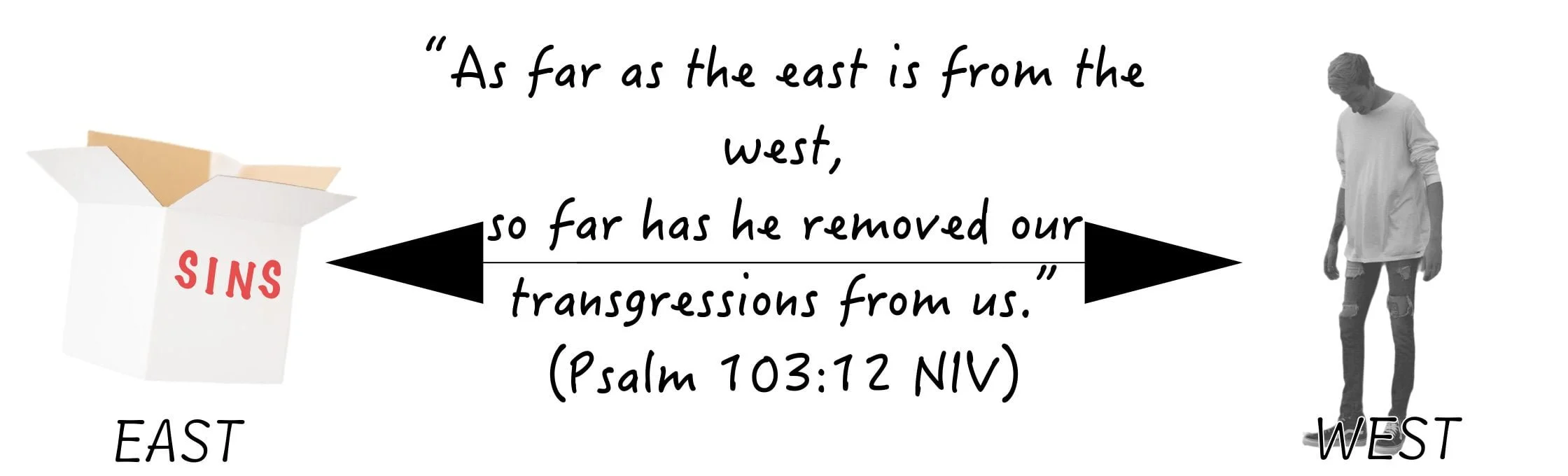
Instead of keeping those who have hurt us in a box with no way out, God has asked us to shift our thoughts and ponder these things instead:
“Whatever is true, whatever is noble, whatever is right, whatever is pure, whatever is lovely, whatever is admirable; if anything is excellent or praiseworthy, think about such things.” (Philippians 4:8 NIV)
Are we excusing bad behavior when we do this? No. I believe the Apostle Paul was suggesting that we trade a narrow view of our lives, of ourselves, and of other people for a more wholistic view.
For example, when I get mad at my spouse or a friend for something they may have done, it helps me to remember all of the good times that we've had, the roles they have played in my life that have helped me to be a better person, and the things that have happened in their lives that may have contributed to their behavior.
Using this scripture to consider the whole person then dulls the offense to the point that it's not even worth keeping in my reservoir of thoughts.
I am grateful when those I have offended do the same for me!

friends reconciling outside in nature
There are some cases where God allows us to sever relationships. If you are experiencing abuse, it is important to seek safety immediately. That is a step of faith that God will honor. With Jesus, you are going to be healed, whole, and thriving just the way he planned it.
As you move forward, including forgiveness as a part of your transformation process allows you to leave this burdensome baggage behind. God loves you.
Can You Forgive and Still Be Angry?
If you've ever gone to a funeral, you may have seen some people attending as a courtesy while others were more fond and connected to the person who passed away. This mix is common and happens because of feelings.
Lasting feelings of anger can prevent the chance for a healthy sense of closure. God provides forgiveness as a method of us to both reconnect and also be at peace after ties have been cut.
Indeed, the past can't be erased, but our God, who does miracles, loves to make things new again. He can do it for us when we let him.

Consider Paul and Barnabas in Acts 15:36-40. They both loved God, but because of a heated disagreement, they decided not to continue spreading the Gospel together as a team.
It always made me wonder...
What would it look like if Barnabas and Paul collaborated in ministry at a later time when things cooled off?
How could Barnabas, the encourager have helped Paul, the apostle spread the gospel in his missions and vice versa?
Now, stop and think:
What types of collaborations could you have if you chose to forgive someone who hurt you in the past?
How would your family or others in your sphere of influence benefit if you if you forgave and bridged the gap with someone you both know?
God wants us to have relationships that thrive.
If you need help learning to Forgive and Forget, try doing these things:
Identify the great things God is doing in your life and meditate on his promises,
Celebrate others' progress and transformation,
Reframe and Retrain your thoughts about people who have hurt you.
And finally, if you’re actively trying to forgive, take it easy on yourself. Forgiveness, like faith, is an ongoing process that demands renewal. We don’t forgive once as a religious act; we forgive over and over again while we depend on God for the fix.
If we can accept God's command to forgive as something beneficial for both us and the offender, we prepare ourselves for a life of peace where God’s justice system wins and prevails.
Get more insights on the Christian lifestyle for your faith journey or group discussions.